Ink connection
Where words meet worlds
From Homer’s epics to the mountains of Kurdistan, trace the universal threads of human stories
Alexander Pope (1688–1744)
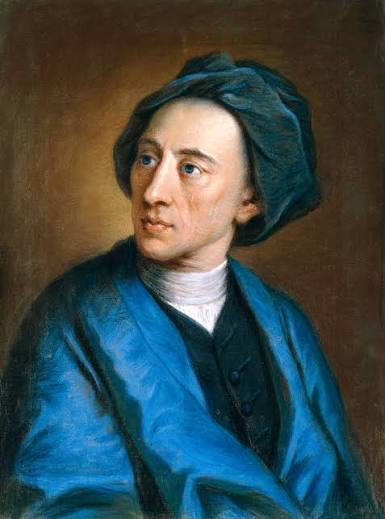
1. Basic Information
Full Name: Alexander Pope
Born–Died: 1688 – 1744
Region: England
Literary Period: Neoclassical / Enlightenment Literature
2. Short Biography
Alexander Pope is one of the most significant poets of the English Neoclassical period and a central figure of the Enlightenment in literature. Known for his intellectual rigor and formal precision, Pope employed poetry as a means of moral reflection and social criticism. His works reflect Enlightenment ideals of reason, order, and balance, and they continue to influence literary thought and criticism.
3. Major Works
An Essay on Man – A philosophical poem examining human nature, morality, and humanity’s place in the universe.
The Rape of the Lock – A mock-epic poem satirizing aristocratic society and social vanity.
An Essay on Criticism – A didactic poem outlining principles of literary taste and judgment.
The Dunciad – A satirical work critiquing intellectual decline and cultural mediocrity.
4. Stylistic Features
Mastery of the heroic couplet
Emphasis on balance, symmetry, and formal order
Extensive use of classical allusions
Sharp wit and satirical precision
5. Major Themes
Reason and moral order
Human limitation and humility
Social criticism and satire
Art, taste, and intellectual responsibility
Comparative Note: Ahmad Khani & Alexander Pope
Ahmad Khani and Alexander Pope represent two intellectually rigorous literary traditions in Kurdish and European literature, each distinguished by a strong commitment to poetic form, moral philosophy, and cultural critique. Despite their differing historical and cultural contexts, both writers use literature as a vehicle for ethical reflection and intellectual discipline.
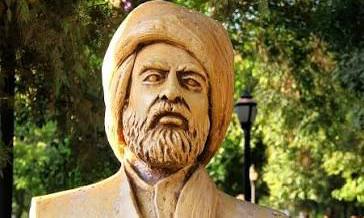
Ahmad Khani, a major figure in classical Kurdish literature, is best known for Mem û Zîn, an epic poetic work that combines romantic narrative with philosophical, political, and national consciousness. His poetry reflects a deep concern with Kurdish identity, unity, and intellectual independence. Through allegory and symbolism, Khani transforms personal love into a broader meditation on collective destiny, moral responsibility, and cultural awakening.
Alexander Pope, a central poet of the English Neoclassical period, similarly emphasizes order, reason, and moral instruction. His works, including An Essay on Man and The Rape of the Lock, demonstrate a precise control of poetic form and a belief in literature as a means of ethical and social commentary. Pope’s use of heroic couplets and classical allusion reflects the Enlightenment ideal of harmony between reason, art, and moral truth.
From a comparative perspective, both Khani and Pope view poetry as an instrument of intellectual refinement rather than mere emotional expression. While Pope operates within a rationalist framework shaped by Enlightenment thought, Khani’s poetry is informed by philosophical reflection, mysticism, and a strong sense of national consciousness. Nevertheless, both writers seek to impose moral order upon human experience, using structured poetic forms to explore ethical and philosophical questions.
The comparison between Ahmad Khani and Alexander Pope highlights how literary traditions across cultures can converge in their emphasis on discipline, moral inquiry, and cultural responsibility. Their works exemplify literature’s role in shaping intellectual identity and collective values, reinforcing the core vision of The Ink Connection as a dialogue between distinct yet resonant literary worlds.
William Wordsworth (1770–1850)

Sherko Bekas (1940–2013)
Ngũgĩ wa Thiong’o (1938– )
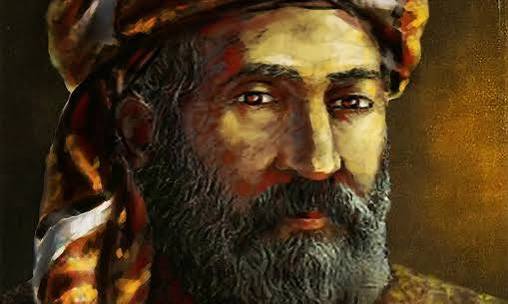
Hacî Qadir Koyî (1817–1897)
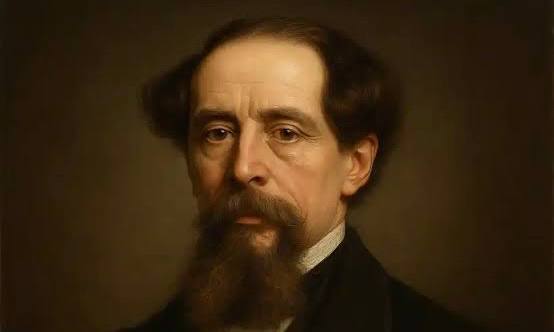
Charles Dickens (1812–1870)
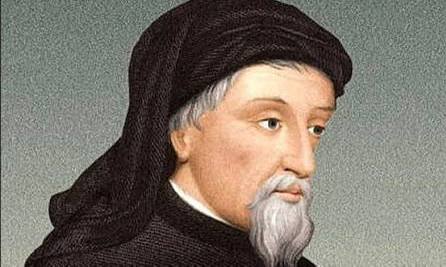
Geoffrey Chaucer (c. 1343–1400)
Ahmad Khani (1650–1707)
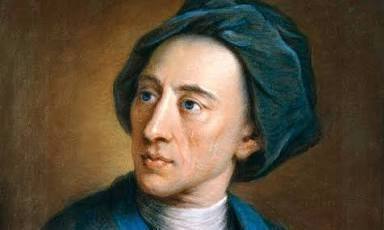
Alexander Pope (1688–1744)
Melayê Cizîrî (1570–1640)
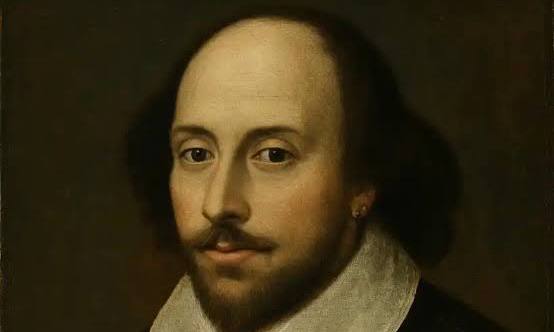
William Shakespeare (1564–1616)
Contact Me
Let's connect! Whether you have a project in mind, a question, or just want to say hello, feel free to reach out. I'm always open to discussing new opportunities and ideas.