Ink connection
Where words meet worlds
From Homer’s epics to the mountains of Kurdistan, trace the universal threads of human stories
Charles Dickens (1812–1870)
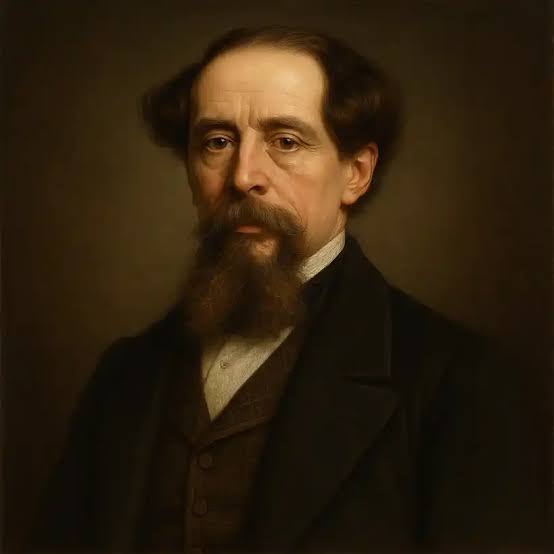
1. Basic Information
Full Name: Charles Dickens
Born–Died: 1812 – 1870
Region: England
Literary Period: Victorian Literature / Social Realism
2. Short Biography
Charles Dickens is one of the most influential novelists of the Victorian era and a central figure in English social realism. His works vividly portray the social inequalities, poverty, and moral challenges of nineteenth-century England. Drawing on his own experiences, Dickens used fiction as a powerful tool for social criticism and humanitarian reform.
3. Major Works
Oliver Twist – A novel exposing child poverty and crime in industrial England.
Great Expectations – A coming-of-age story examining social class and personal growth.
A Tale of Two Cities – A historical novel set during the French Revolution.
Hard Times – A critique of industrialization and utilitarianism.
4. Stylistic Features
Realistic and detailed social description
Memorable and often symbolic characters
Combination of satire, sentiment, and moral commentary
Serial narrative structure
5. Major Themes
Social injustice and class inequality
Poverty, childhood, and exploitation
Moral responsibility and compassion
Industrialization and its consequences
Comparative Note: Charles Dickens & Hacî Qadir Koyî
Charles Dickens and Hacî Qadir Koyî share a strong commitment to literature as a means of social awareness and reform. Dickens, writing within the Victorian realist tradition, exposes social injustice, poverty, and class inequality through detailed narrative and vivid characterization. His novels highlight the moral responsibility of society toward the oppressed and marginalized.
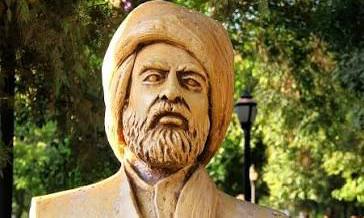
Hacî Qadir Koyî, through poetry, similarly calls for intellectual awakening and social reform within Kurdish society. While Dickens addresses social issues through realist fiction and narrative detail, Koyî employs direct, rhetorical language to challenge ignorance, stagnation, and cultural decline. Despite differences in genre and cultural context, both writers view literature as an ethical force aimed at transforming society and promoting justice.
William Wordsworth (1770–1850)
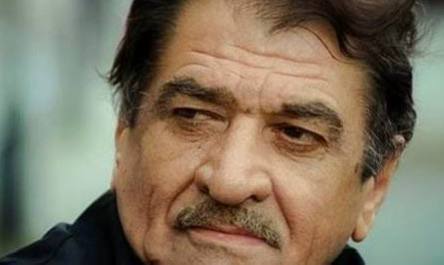
Sherko Bekas (1940–2013)
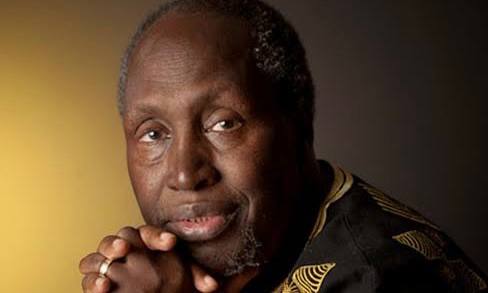
Ngũgĩ wa Thiong’o (1938– )
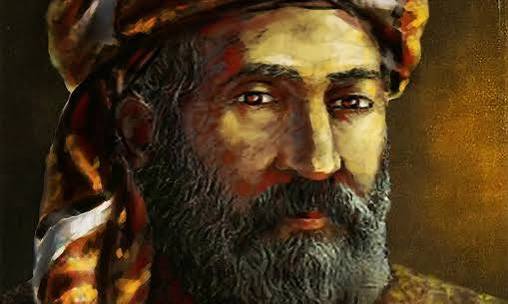
Hacî Qadir Koyî (1817–1897)
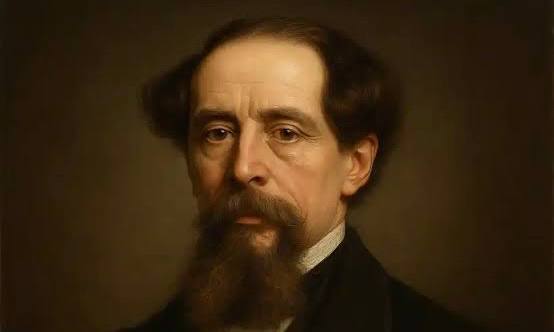
Charles Dickens (1812–1870)
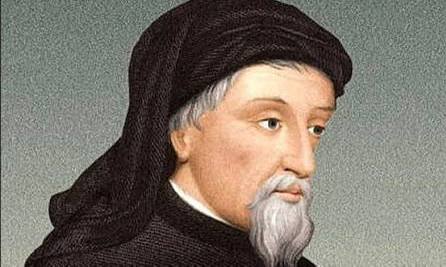
Geoffrey Chaucer (c. 1343–1400)
Ahmad Khani (1650–1707)
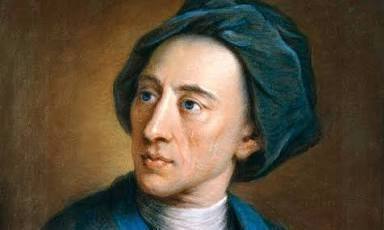
Alexander Pope (1688–1744)
Melayê Cizîrî (1570–1640)
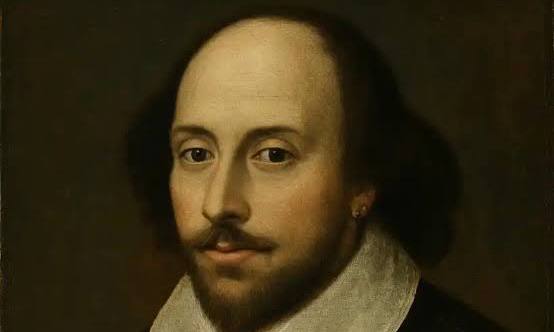
William Shakespeare (1564–1616)
Contact Me
Let's connect! Whether you have a project in mind, a question, or just want to say hello, feel free to reach out. I'm always open to discussing new opportunities and ideas.