Ink connection
Where words meet worlds
From Homer’s epics to the mountains of Kurdistan, trace the universal threads of human stories
William Shakespeare (1564–1616)
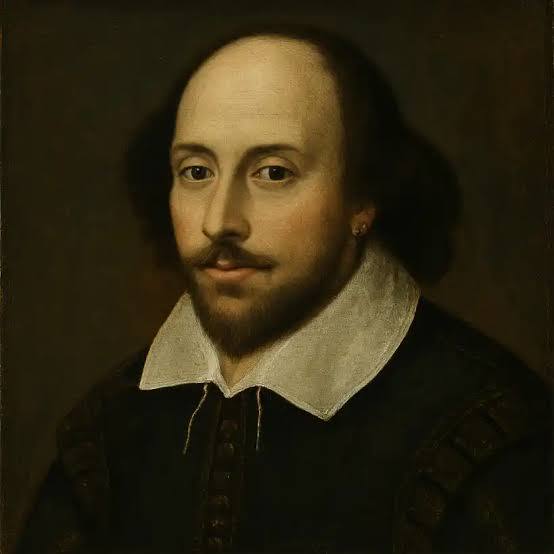
1. Basic Information
Full Name: William Shakespeare
Born–Died: 1564 – 1616
Region: England
Literary Period: English Renaissance / Early Modern Literature
2. Short Biography
William Shakespeare is widely regarded as the greatest writer in the English language and one of the most influential figures in world literature. Living during the English Renaissance, he transformed drama and poetry through his profound understanding of human nature, emotion, and conflict. Shakespeare’s works explore the psychological, moral, and social dimensions of life, making them timeless and universally relevant.
3. Major Works
Plays:
Hamlet – A tragedy centered on revenge, conscience, and inner conflict.
Macbeth – A psychological tragedy exploring ambition, power, and guilt.
King Lear – A tragic examination of authority, family, and human suffering.
Romeo and Juliet – A tragedy of love, fate, and social division.
Poetry:
Sonnets – Poems exploring love, time, beauty, and mortality.
4. Stylistic Features
Mastery of dramatic dialogue and soliloquy
Deep psychological characterization
Rich metaphorical and poetic language
Blending of tragedy, comedy, and history
5. Major Themes
Power, ambition, and corruption
Love and desire
Fate, time, and mortality
Identity, madness, and conscience
Order and chaos in society
Comparative Note: William Shakespeare & Melayê Cizîrî
William Shakespeare and Melayê Cizîrî stand as canonical figures within English and Kurdish literary traditions, each representing a high point of artistic and intellectual achievement in their respective cultures. Although separated by geography, language, and literary form, both authors employ literature as a medium for sustained philosophical inquiry into the nature of human existence, morality, and meaning.
Shakespeare, writing in the context of the English Renaissance, expanded the boundaries of dramatic literature by integrating poetic language with complex psychological characterization. His plays explore fundamental human concerns such as ambition, power, love, guilt, and mortality, often situating individual experience within broader social and political frameworks. Through dramatic conflict and soliloquy, Shakespeare reveals the tensions between reason and passion, agency and fate, thereby transforming the stage into a space of existential and ethical reflection.
Melayê Cizîrî, a central figure in classical Kurdish mystical poetry, articulates similar existential concerns through a metaphysical and spiritual discourse shaped by Sufi philosophy. His poetry emphasizes inner transformation, divine love, and the unity of being, employing dense symbolic language and philosophical metaphor. Unlike Shakespeare’s outward dramatization of conflict, Cizîrî’s work internalizes struggle, presenting the human soul’s journey toward transcendence as the core literary experience.
From a comparative perspective, both writers demonstrate how literary expression adapts to cultural and formal conventions while addressing universal human questions. Shakespeare’s drama foregrounds the social dimensions of human conflict, whereas Cizîrî’s lyric poetry prioritizes spiritual introspection and metaphysical contemplation. Nevertheless, both achieve a synthesis of intellectual depth and emotional intensity, reinforcing their enduring influence within their literary canons.
Ultimately, the juxtaposition of Shakespeare and Melayê Cizîrî illustrates a fundamental principle of comparative literature: that distinct literary traditions, despite formal and cultural differences, often converge in their exploration of shared human concerns. Their works affirm literature’s capacity to transcend linguistic and cultural boundaries, embodying the central vision of The Ink Connection as a project devoted to intercultural dialogue and literary continuity.
William Wordsworth (1770–1850)
Sherko Bekas (1940–2013)
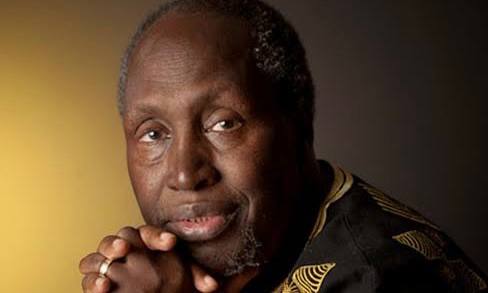
Ngũgĩ wa Thiong’o (1938– )
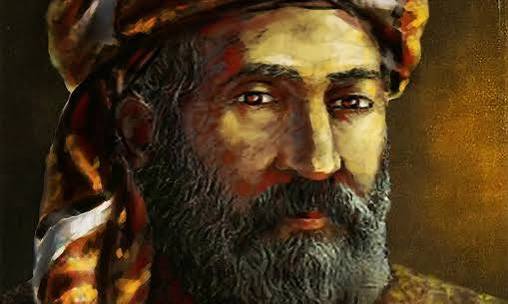
Hacî Qadir Koyî (1817–1897)
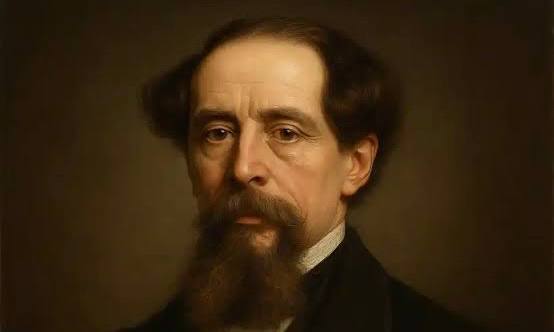
Charles Dickens (1812–1870)
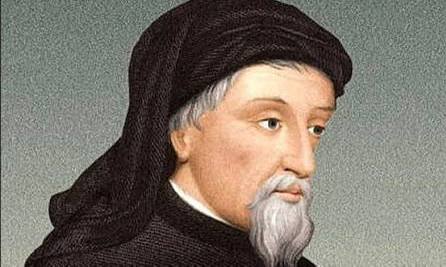
Geoffrey Chaucer (c. 1343–1400)
Ahmad Khani (1650–1707)
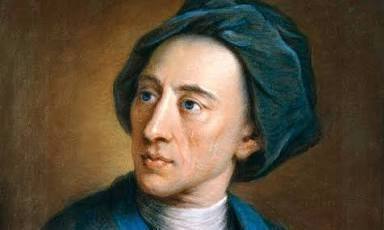
Alexander Pope (1688–1744)
Melayê Cizîrî (1570–1640)
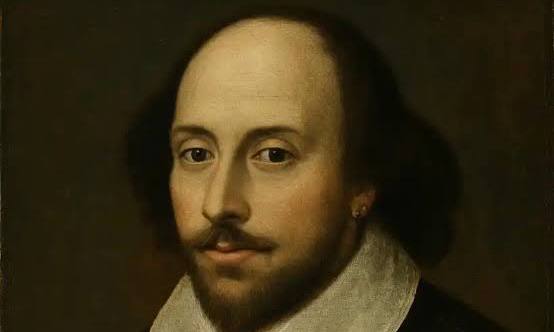
William Shakespeare (1564–1616)
Contact Me
Let's connect! Whether you have a project in mind, a question, or just want to say hello, feel free to reach out. I'm always open to discussing new opportunities and ideas.