Ink connection
Where words meet worlds
From Homer’s epics to the mountains of Kurdistan, trace the universal threads of human stories
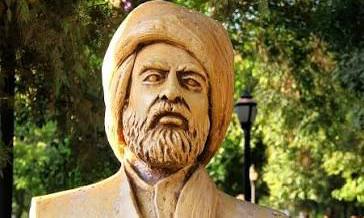
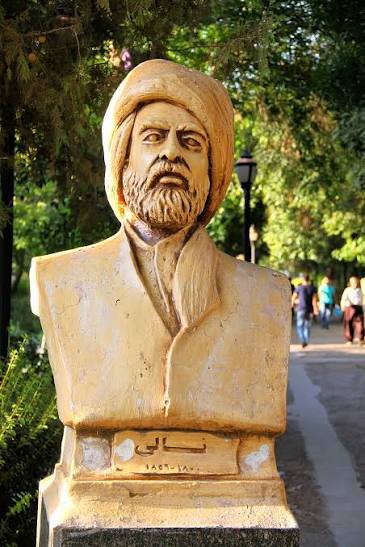
Nalî (1797–1856)
1. Basic Information
Full Name: ملا خدر احمد نالی (Nalî)
Born–Died: 1797 – 1856
Region: Sulaymaniyah, Kurdistan
Literary Period: Classical Kurdish Literature / Romantic Transition
2. Short Biography
Nalî is one of the most celebrated poets of classical Kurdish literature and a central figure in the development of Kurdish lyrical poetry. Writing primarily in the Sorani dialect, he played a pivotal role in elevating Kurdish poetry to a refined literary form. His work represents a transition from purely classical conventions toward a more personal and emotional poetic voice.
3. Major Works
Nalî did not compile his works into a single authored volume during his lifetime; however, his poetry has been preserved through manuscripts and later collections.
Dîwan of Nalî – A collection of lyrical poems characterized by emotional depth, romantic expression, and linguistic elegance.
4. Stylistic Features
Lyrical and emotionally expressive language
Mastery of classical poetic forms (especially ghazal)
Rich imagery and musicality
Personal tone and subjective voice
5. Major Themes
Romantic and unfulfilled love
Longing, separation, and emotional suffering
Beauty and idealized beloved
Individual emotion and inner experience
Comparative Note: Nalî & William Wordsworth
Nalî and William Wordsworth both mark a shift toward emotional expression and poetic subjectivity in their respective literary traditions. Wordsworth emphasizes nature, memory, and imagination as sources of poetic insight, while Nalî focuses on inner emotion, romantic longing, and personal experience within classical poetic forms. Despite cultural differences, both poets elevate individual feeling as a central element of poetic truth, illustrating how Romantic sensibilities emerge across distinct literary traditions.
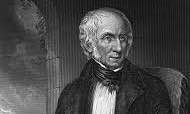
William Wordsworth (1770–1850)
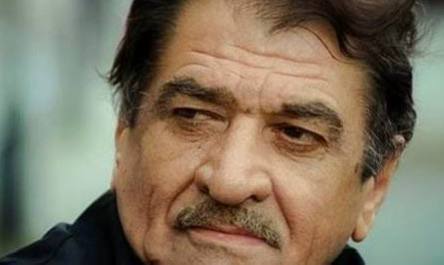
Sherko Bekas (1940–2013)
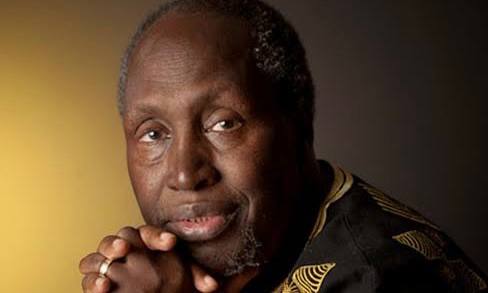
Ngũgĩ wa Thiong’o (1938– )
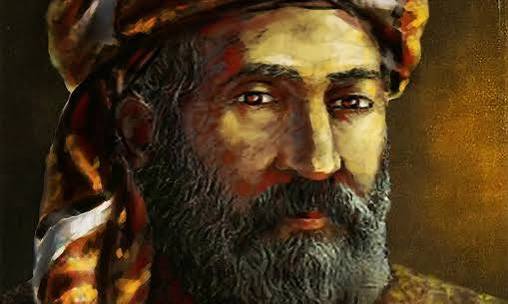
Hacî Qadir Koyî (1817–1897)
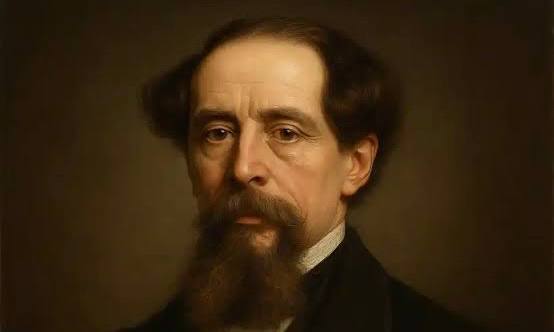
Charles Dickens (1812–1870)
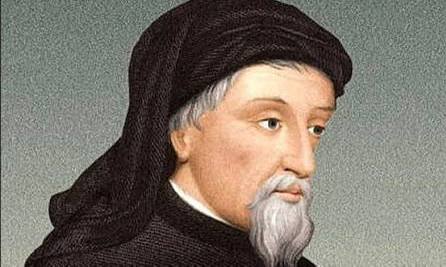
Geoffrey Chaucer (c. 1343–1400)
Ahmad Khani (1650–1707)
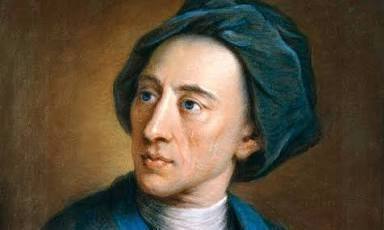
Alexander Pope (1688–1744)
Melayê Cizîrî (1570–1640)
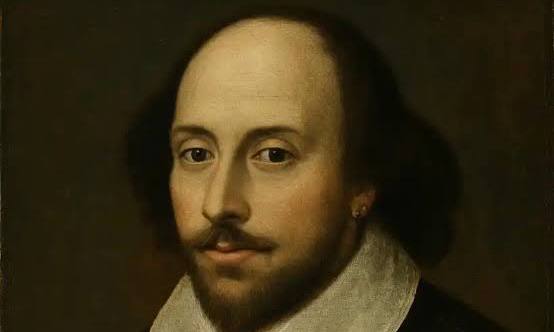
William Shakespeare (1564–1616)
Contact Me
Let's connect! Whether you have a project in mind, a question, or just want to say hello, feel free to reach out. I'm always open to discussing new opportunities and ideas.