Ink connection
Where words meet worlds
From Homer’s epics to the mountains of Kurdistan, trace the universal threads of human stories
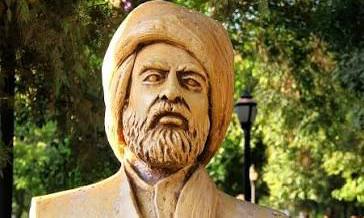
Ali Hariri (c. 11th Century)
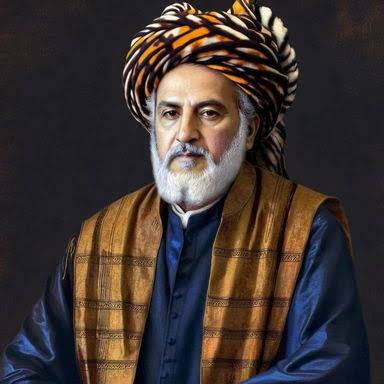
1. Basic Information
Full Name: Ali Hariri
Born–Died: c. 11th century (exact dates unknown)
Region: Kurdistan (Hakkari region)
Literary Period: Early / Classical Kurdish Literature
2. Short Biography
Ali Hariri is regarded as one of the earliest known Kurdish poets and a foundational figure in Kurdish literary history. Writing in a period when Kurdish literary expression was largely oral and underrepresented in written form, Hariri played a crucial role in shaping early Kurdish poetry. His work reflects the cultural, religious, and ethical concerns of Kurdish society and represents an important step toward the development of Kurdish as a literary language.
3. Major Works
Due to the early historical period and the nature of manuscript transmission, many of Ali Hariri’s works have been lost or preserved only partially. However, his surviving poems are significant for their historical and cultural value.
Religious and Ethical Poems – Verses focused on moral guidance and spiritual reflection.
Didactic Poetry – Poems aimed at instructing the community through ethical and religious themes.
4. Stylistic Features
Use of early Kurdish language in poetic form
Simple yet expressive diction
Strong didactic and moral tone
Influence of religious discourse and oral tradition
5. Major Themes
Faith and spirituality
Moral responsibility and ethics
Community values
Cultural identity and continuity
Comparative Note: Geoffrey Chaucer & Ali Hariri
Geoffrey Chaucer and Ali Hariri occupy a foundational position in English and Kurdish literary histories respectively. Both authors emerged in periods when literary expression was largely dominated by elite or non-native languages, and both contributed significantly to the legitimization of the vernacular as a medium of serious literary and cultural expression. Chaucer’s use of Middle English marked a decisive shift away from Latin and French literary dominance in England, while Ali Hariri stands as one of the earliest figures to articulate Kurdish cultural and poetic identity through written verse.
From a thematic perspective, both writers engage deeply with moral, social, and religious concerns. Chaucer’s works, particularly The Canterbury Tales, present a broad and nuanced depiction of medieval society, revealing human virtues and vices through irony, satire, and narrative realism. In contrast, Ali Hariri’s poetry reflects ethical instruction, spiritual reflection, and communal values, rooted in the cultural and religious life of Kurdish society. Although their stylistic approaches differ, both authors view literature as a means of social reflection and moral engagement.
Moreover, Chaucer and Ali Hariri function as transitional figures between oral tradition and literary formalization. Their works preserve elements of storytelling, didacticism, and communal memory, while simultaneously contributing to the development of more structured literary forms. Through this transitional role, both writers laid the groundwork for later literary developments within their traditions and influenced subsequent generations of poets.
In a broader comparative framework, Chaucer and Ali Hariri demonstrate how early vernacular literature serves not only as artistic expression but also as an act of cultural preservation and identity formation. Despite the geographical and cultural distance between England and Kurdistan, both figures reveal a shared literary impulse: the desire to give voice to their societies through language, narrative, and poetic form.
William Wordsworth (1770–1850)
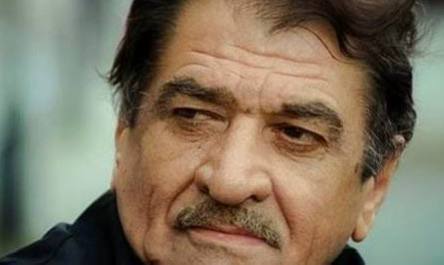
Sherko Bekas (1940–2013)
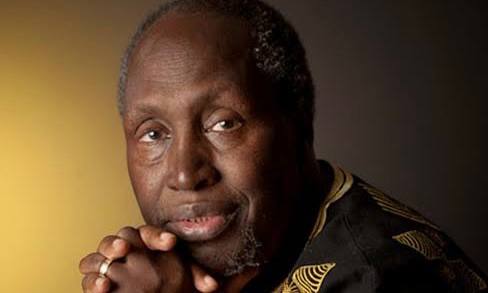
Ngũgĩ wa Thiong’o (1938– )
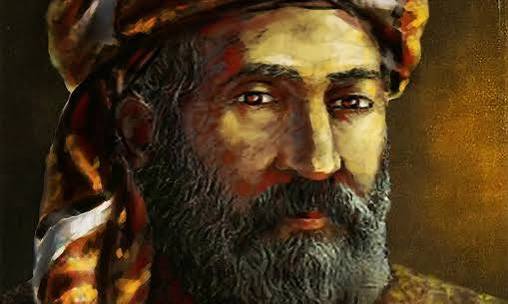
Hacî Qadir Koyî (1817–1897)
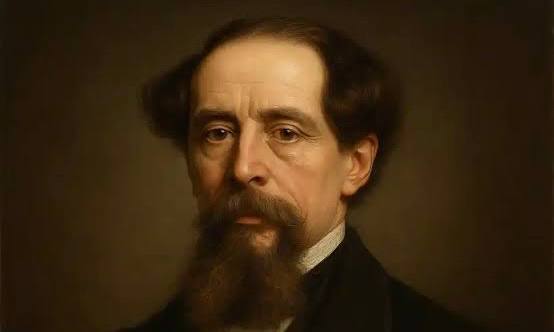
Charles Dickens (1812–1870)
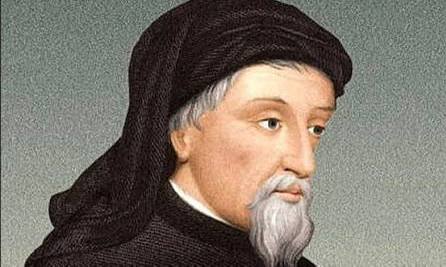
Geoffrey Chaucer (c. 1343–1400)
Ahmad Khani (1650–1707)
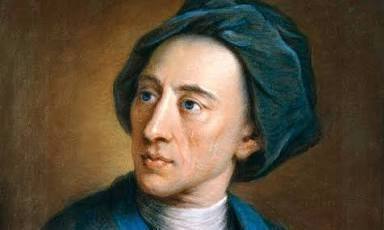
Alexander Pope (1688–1744)
Melayê Cizîrî (1570–1640)
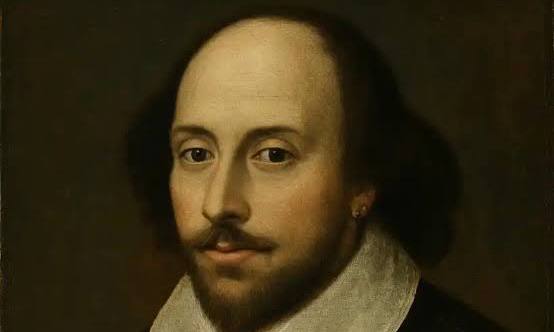
William Shakespeare (1564–1616)
Contact Me
Let's connect! Whether you have a project in mind, a question, or just want to say hello, feel free to reach out. I'm always open to discussing new opportunities and ideas.